
Amateur Radio Collection
A preserved collection of vintage amateur radio equipment discovered at Tahqua-Land Theatre, offering a glimpse into an earlier era of long-distance communication and electronics.
A Working Station Preserved as a Collection
This group of vintage amateur radio equipment was preserved at the Tahqua-Land Theatre and appears to have been assembled as a working radio station. The collection includes a receiver, amplifier, speakers, microphone, switching equipment, and other components used together for amateur radio communication.
Much of the equipment dates from an era when amateur radio offered a way to communicate across long distances using dedicated radio equipment rather than modern telephone or internet networks.
Research in progress: We are continuing to document the individual components and their connection to the theater. Additional information will be added as that history is confirmed.
Amateur Radio in Newberry
Listen to the story behind the equipment, the role amateur radio played in connecting rural communities, and the unanswered questions surrounding this preserved station.
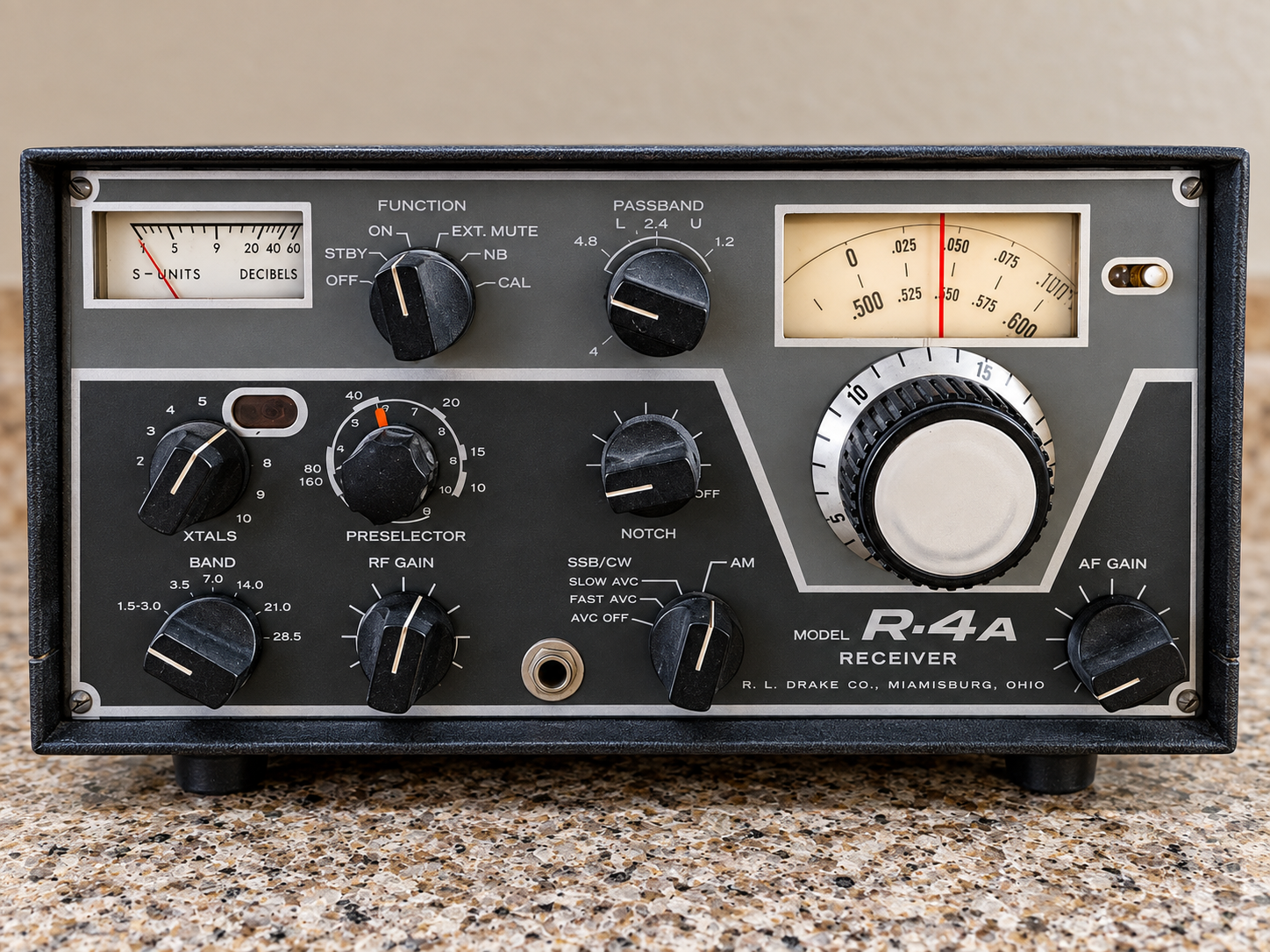
Drake R-4A Receiver
The Drake R-4A is a vintage amateur radio receiver built by the R. L. Drake Company of Miamisburg, Ohio. In a radio station, the receiver allowed the operator to tune in and listen to transmissions from other amateur radio stations.
Its large tuning dial, band controls, signal meter, and adjustable receiver settings reflect the hands-on operation typical of amateur radio equipment from this era.
This example remains part of the group of radio equipment preserved at the Tahqua-Land Theatre. The exact history of the station, including who operated it and when it was used at the theater, is still being researched.
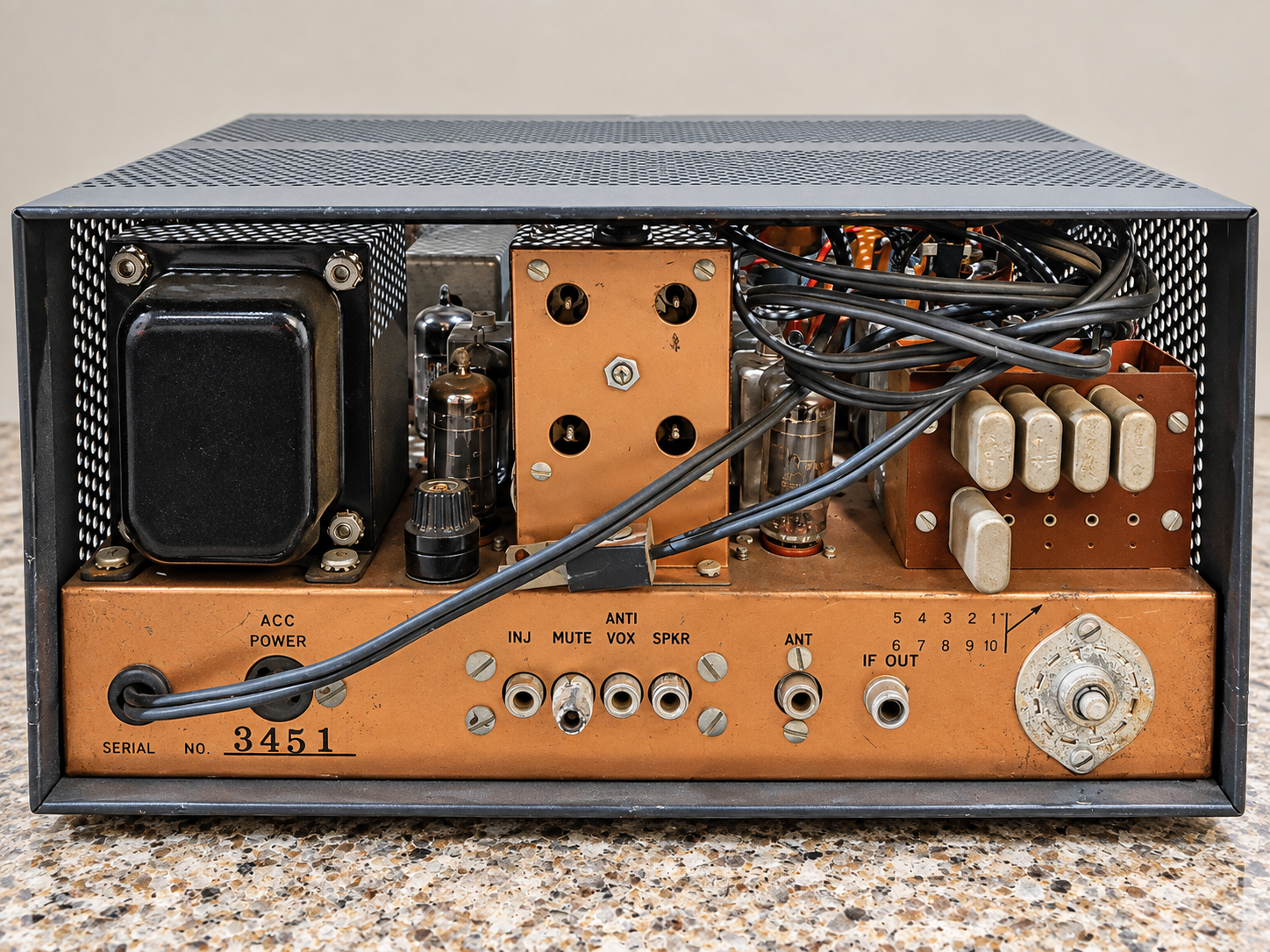
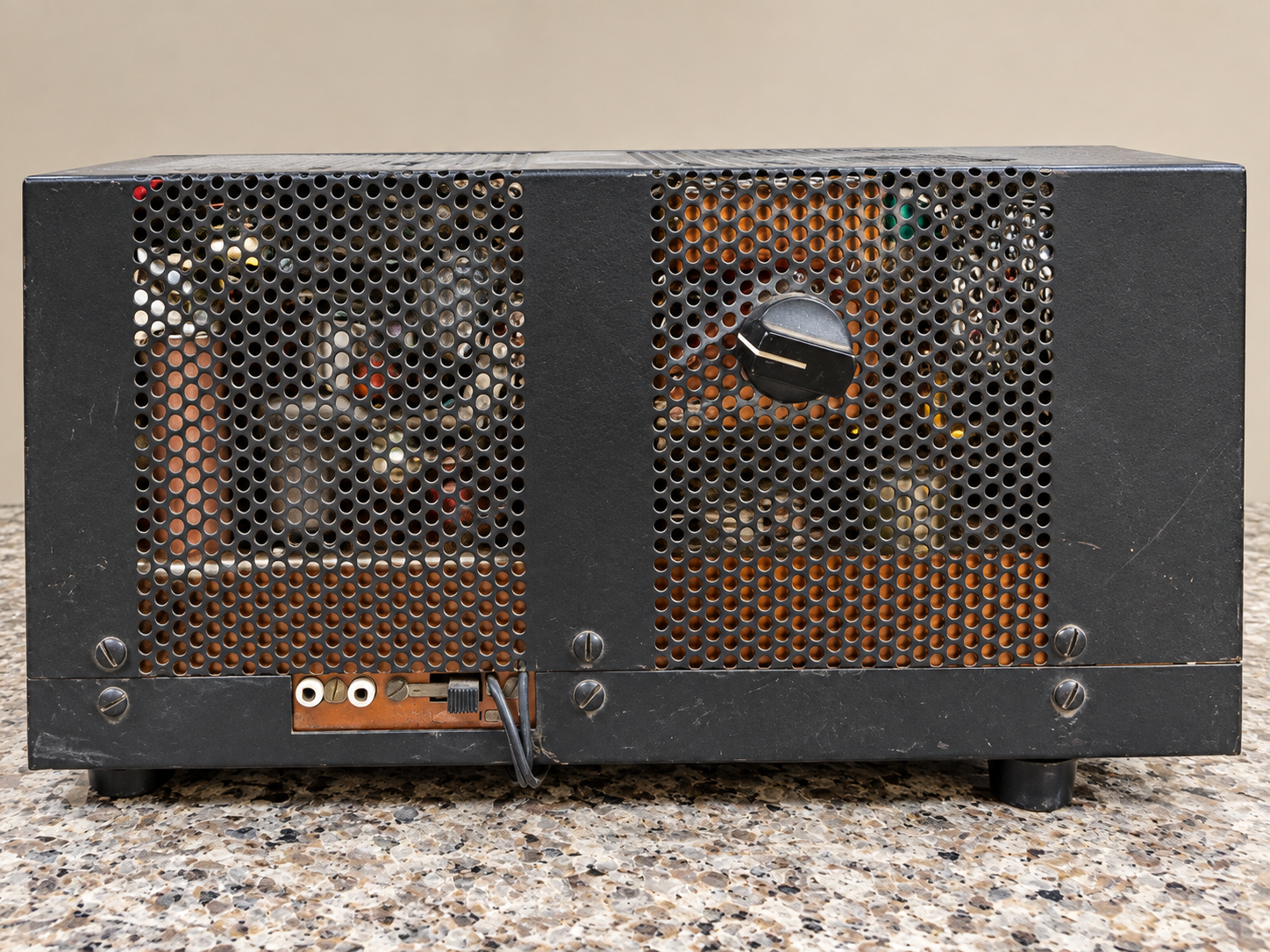
Drake MS-4 Cabinets & AC-4 Power Supply
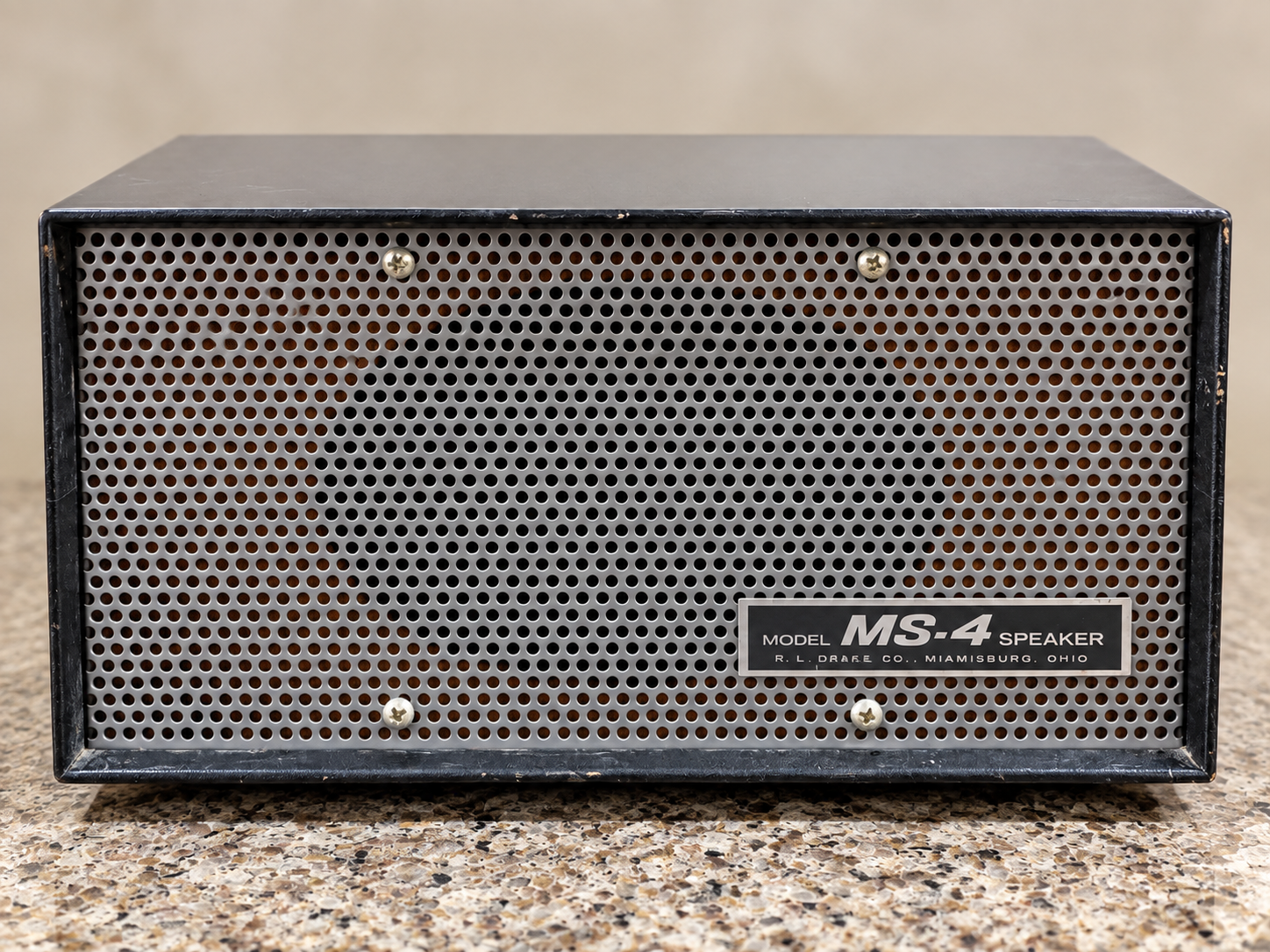
At first glance, these two Drake MS-4 cabinets appear nearly identical. A look behind them reveals that they served different purposes within the amateur radio collection.
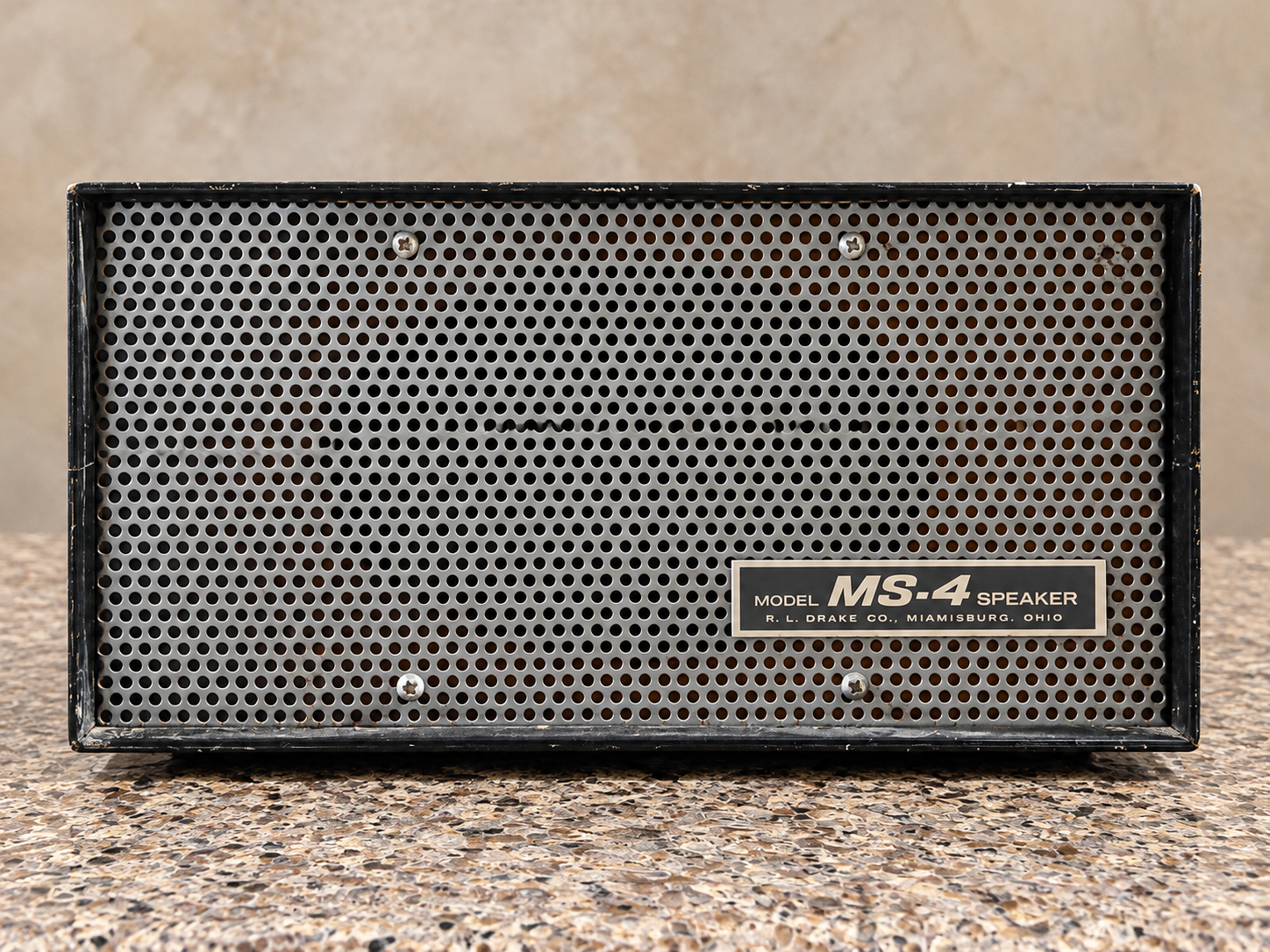
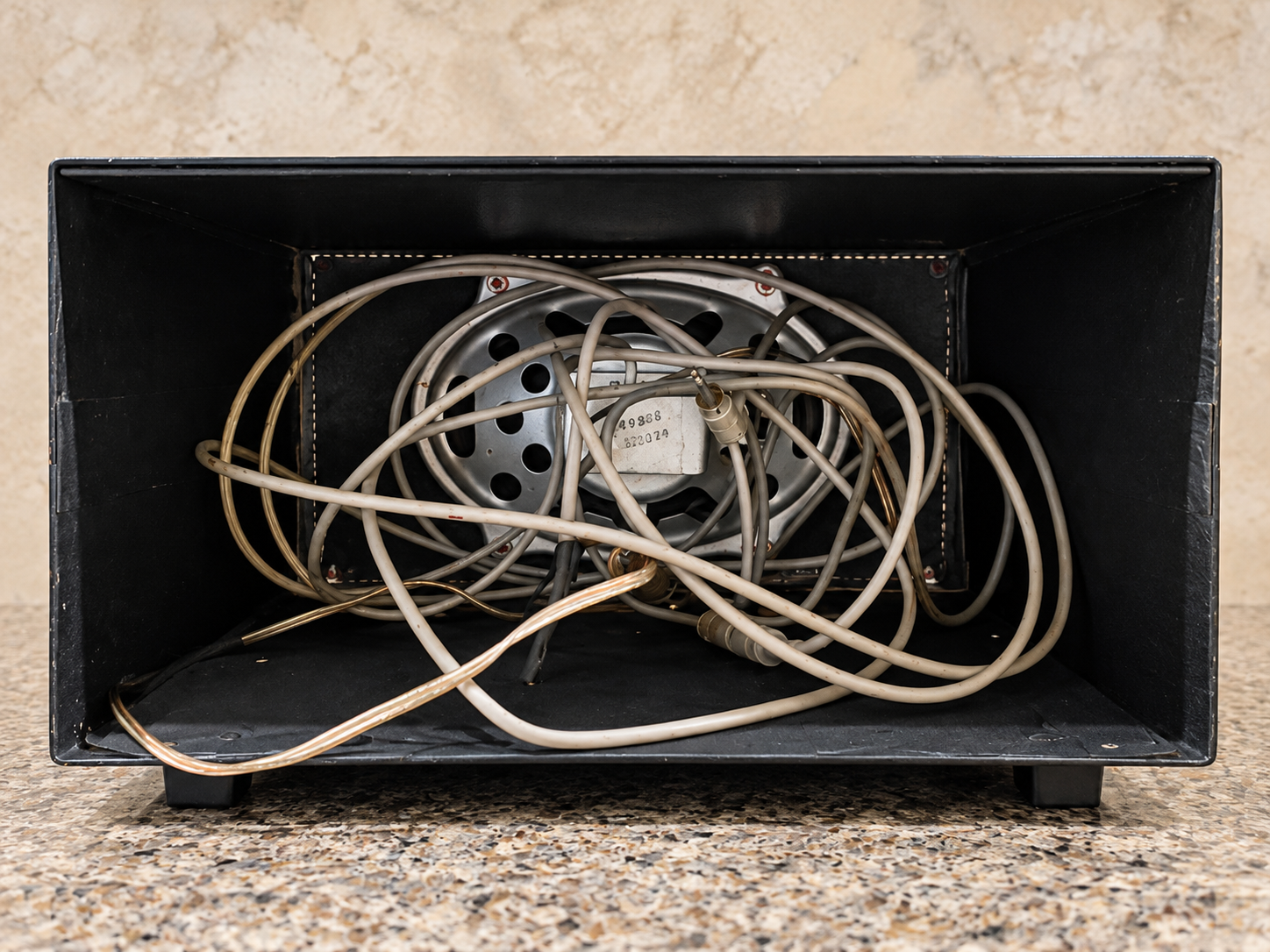
MS-4 Speaker
This MS-4 cabinet contains the speaker used to reproduce audio received by the radio equipment. Its open rear provides a clear view of the speaker itself and the wiring preserved inside the cabinet.
MS-4 with AC-4 Power Supply
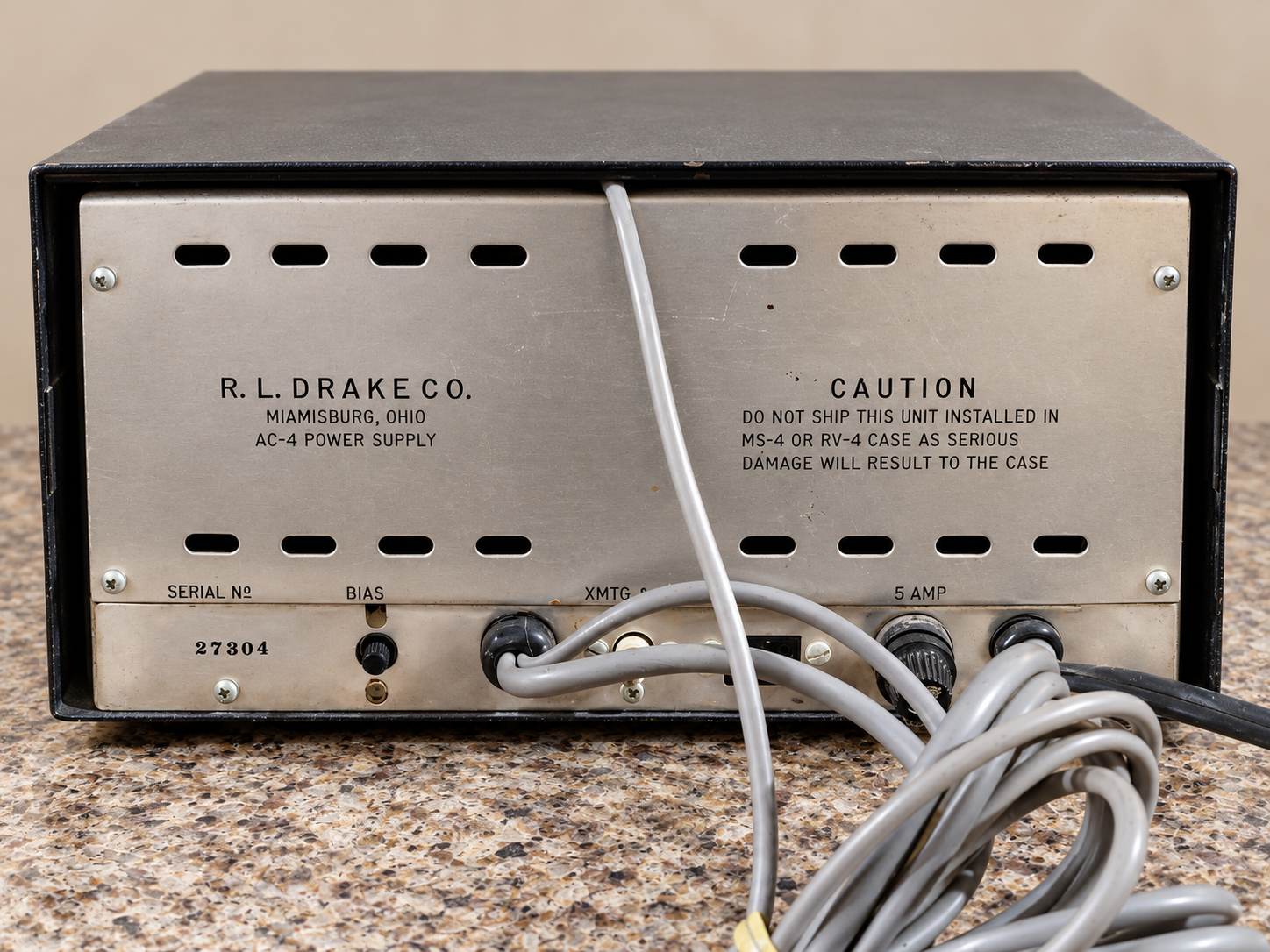
The second MS-4 cabinet conceals an R. L. Drake AC-4 power supply. From the front it closely resembles the companion speaker cabinet, but its rear panel reveals the power supply, electrical connections, and operating controls.
The Drake AC-4 Power Supply
The AC-4 supplied operating power for compatible Drake radio equipment. Rather than occupying a separate exposed chassis, this example was installed inside an MS-4-style cabinet, allowing it to visually match other components in the station.
The rear panel identifies the unit as an AC-4 power supply and carries its original connections, fuse holder, caution labeling, and serial number.
Heathkit SB-200 Linear Amplifier
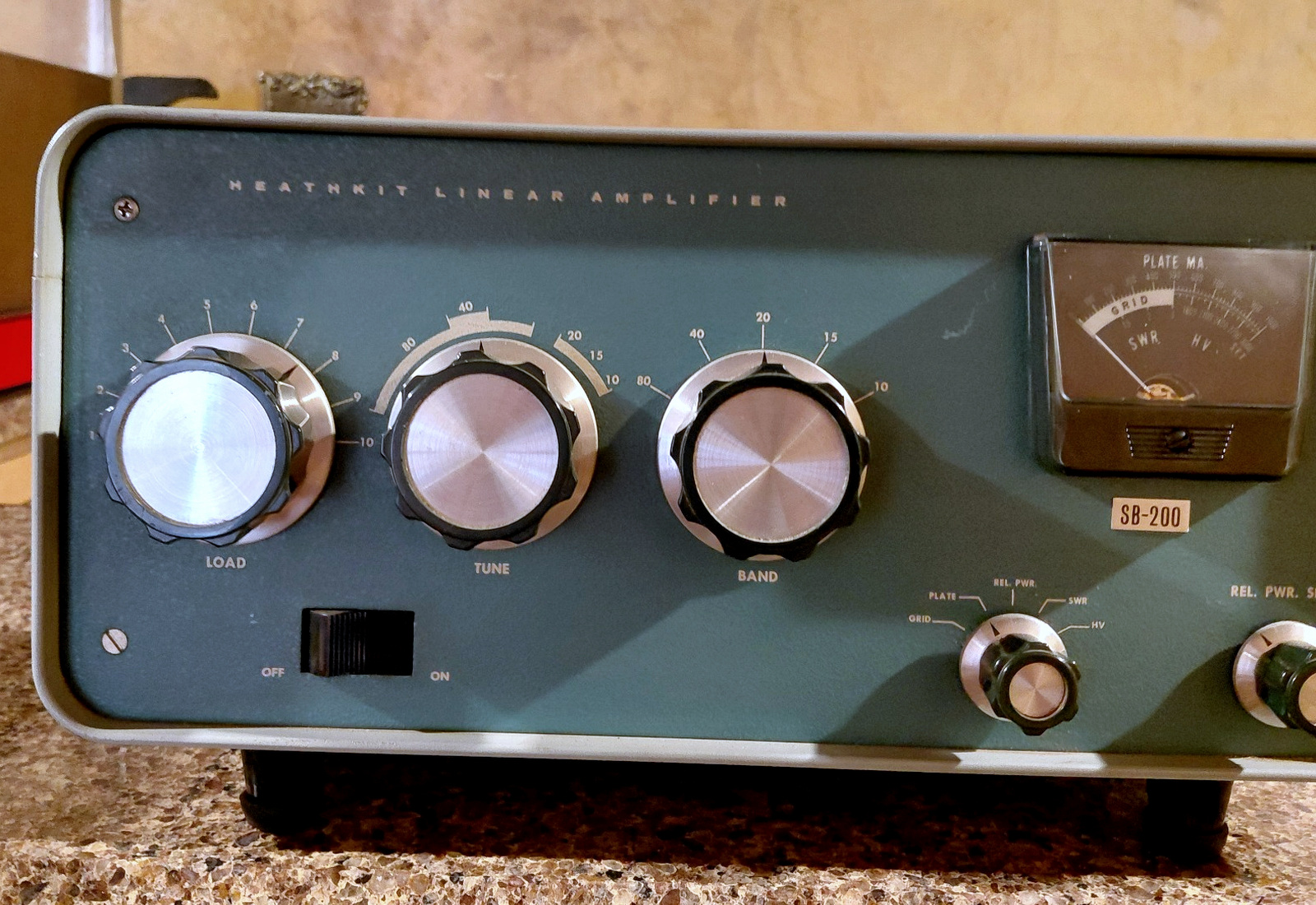
The Heathkit SB-200 is a vintage linear amplifier designed for use with amateur radio equipment. In a working radio station, an amplifier increased the transmitted signal before it was sent to the antenna.
The front panel is dominated by three large controls for load, tuning, and band selection, along with a multifunction meter and additional controls used while setting up and monitoring the amplifier.
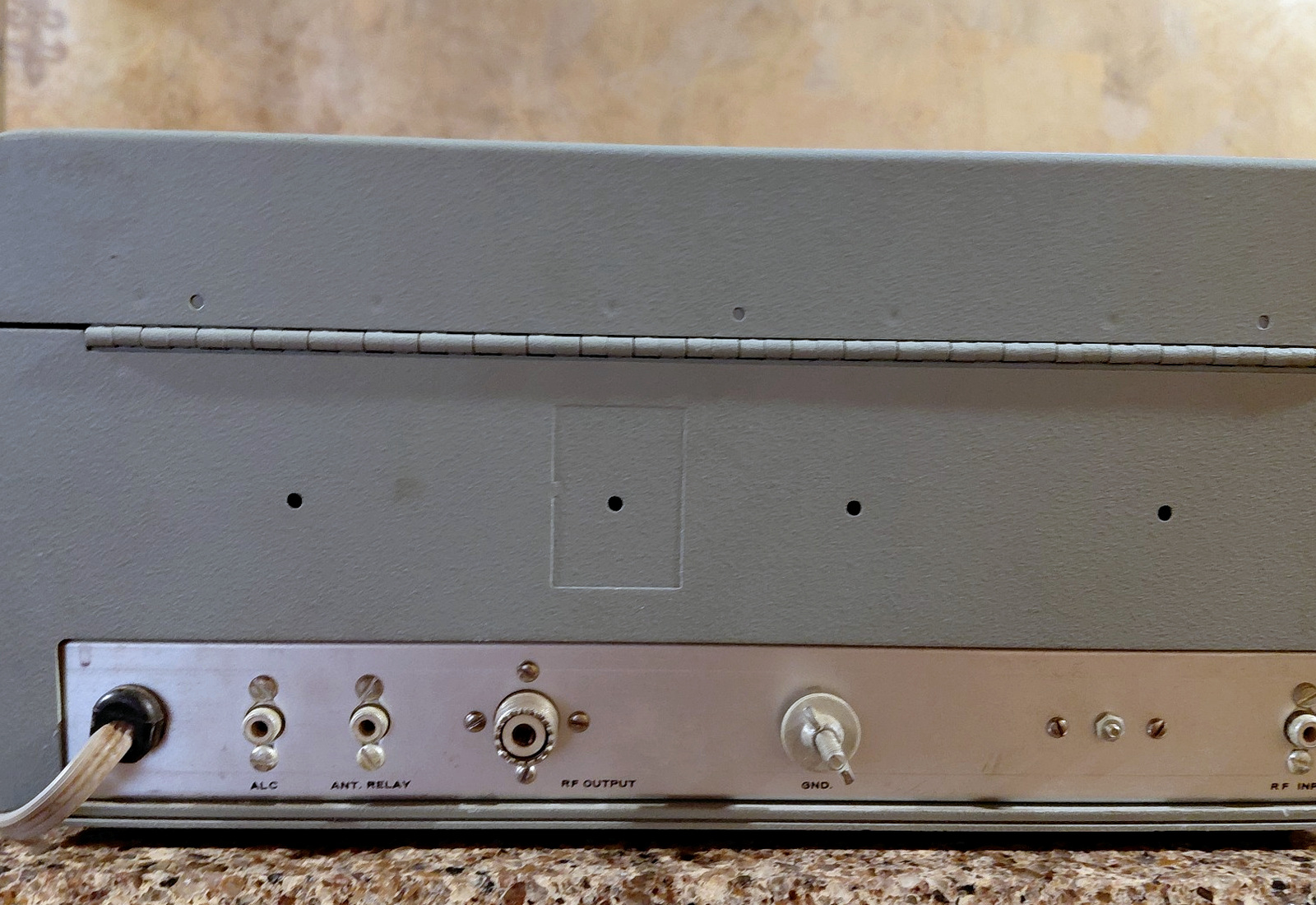
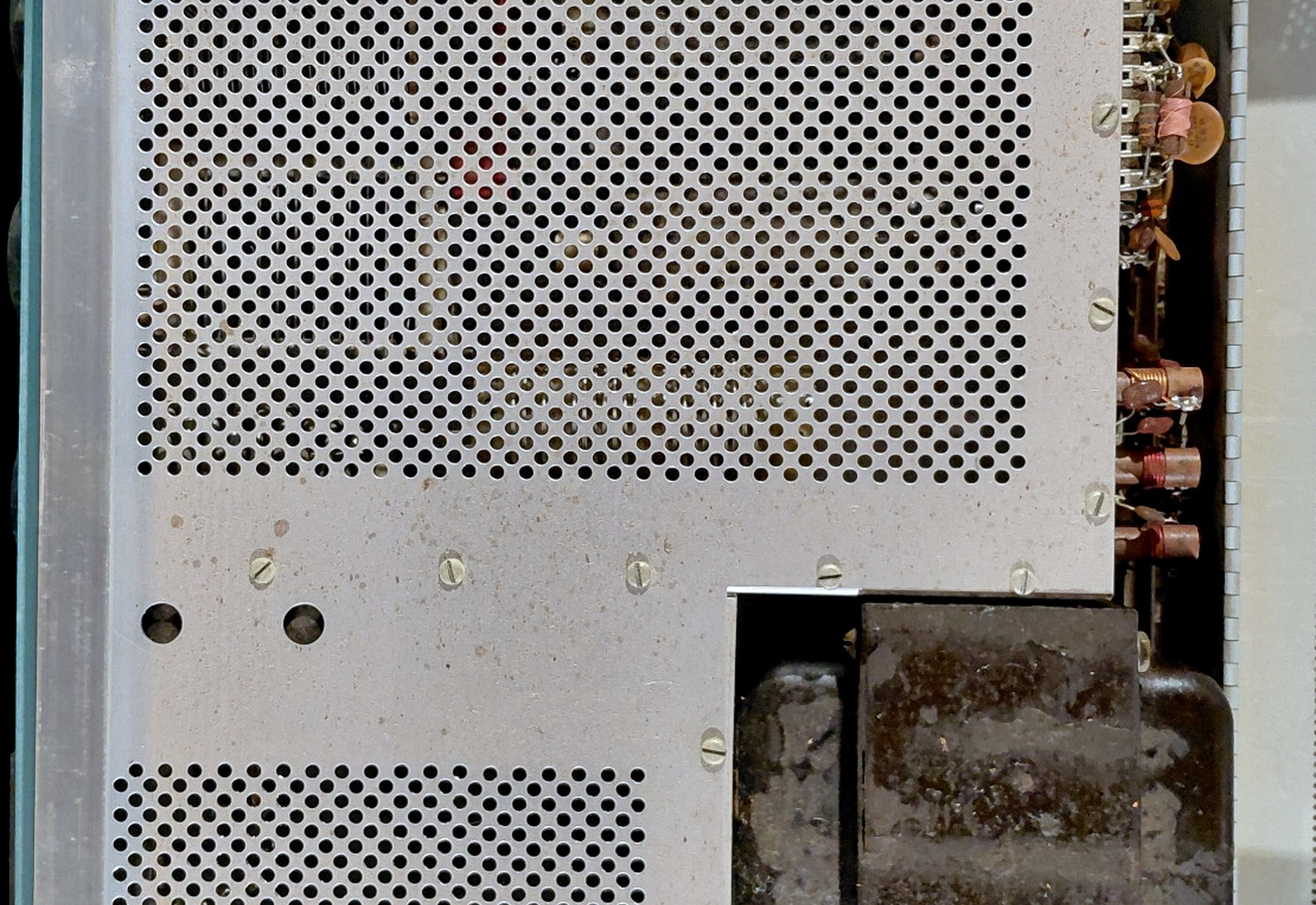
The rear and interior views reveal the substantial construction hidden behind the front panel, including its transformer, ventilation, wiring, and radio-frequency connections.
This amplifier is preserved as part of the Tahqua-Land Theatre Amateur Radio Collection. Its exact operating history at the theater is still being researched.
Custom-Built Radio Control Unit
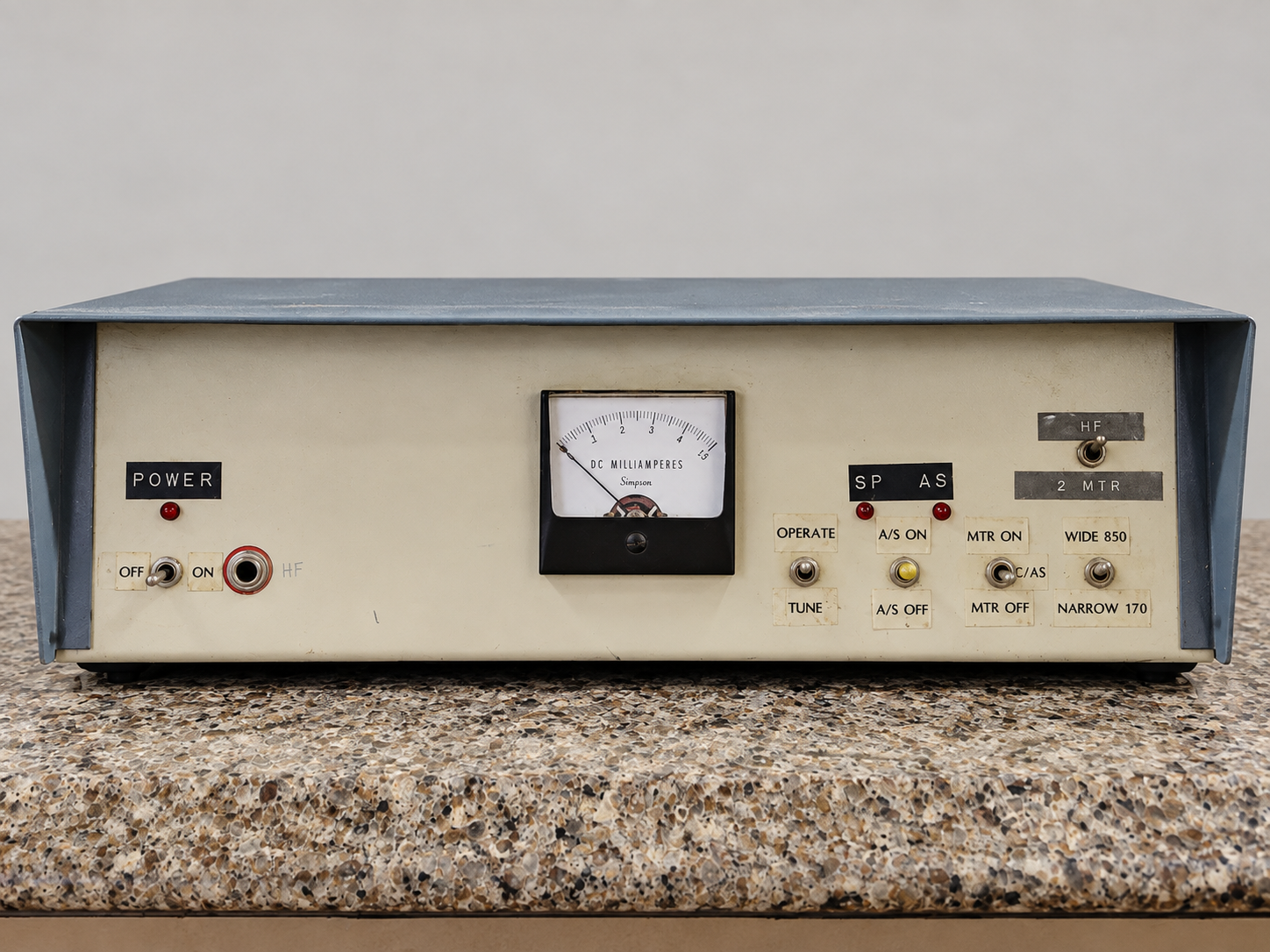
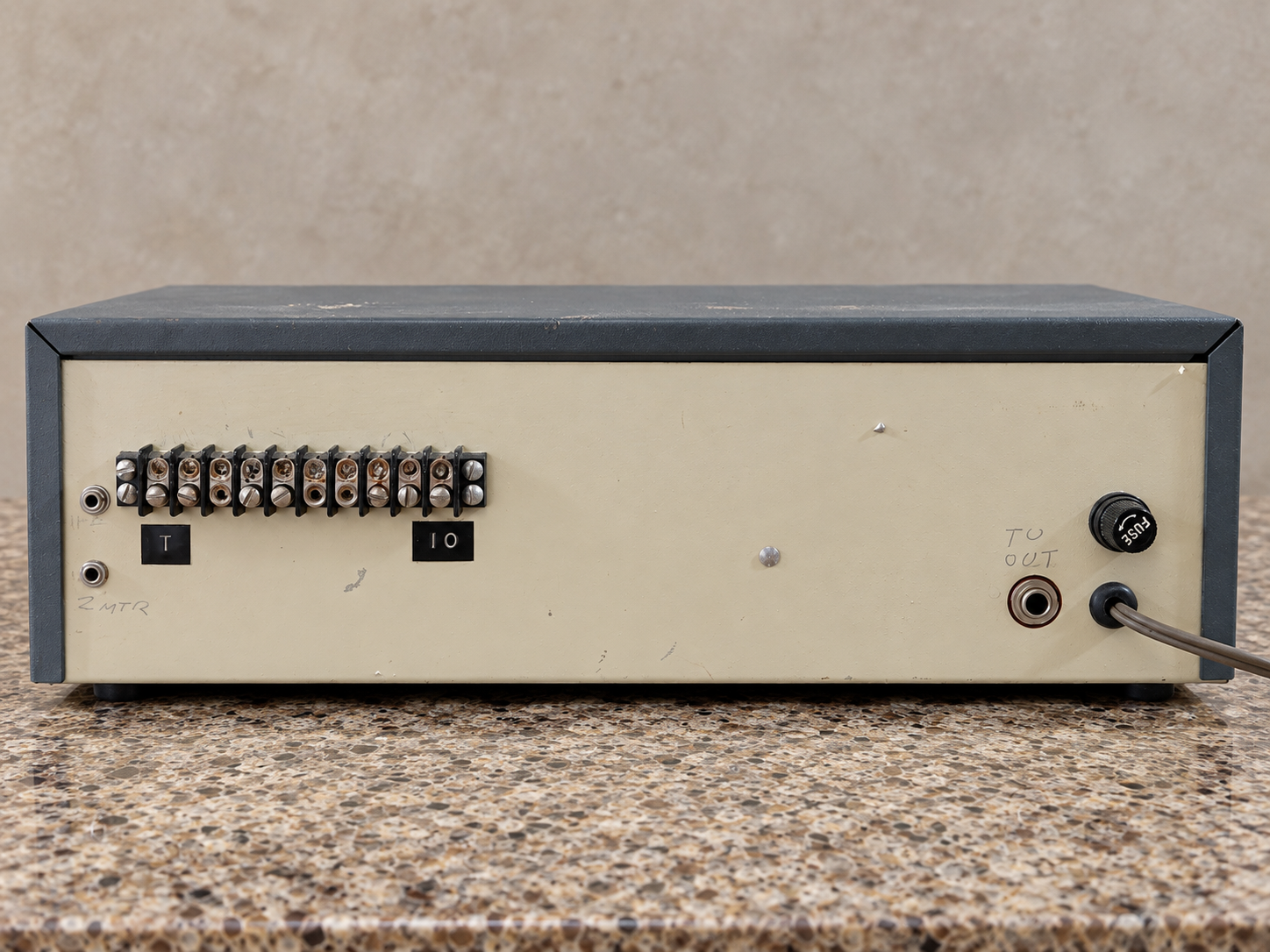
Unlike the commercially manufactured Drake and Heathkit equipment in the collection, this unit appears to have been custom-built for the amateur radio station.
Its front panel includes a DC milliamp meter, toggle switches, indicator lights, and manually applied labels for several operating functions. The rear panel contains a terminal strip, fuse protection, output connection, power cord, and additional handwritten markings.
The controls and connections suggest that the unit performed a specialized role within the station, but no surviving documentation identifies its builder or exact function.
This piece is one of the more unusual objects in the collection because it appears to have been made specifically for this radio setup rather than purchased as standard commercial equipment.
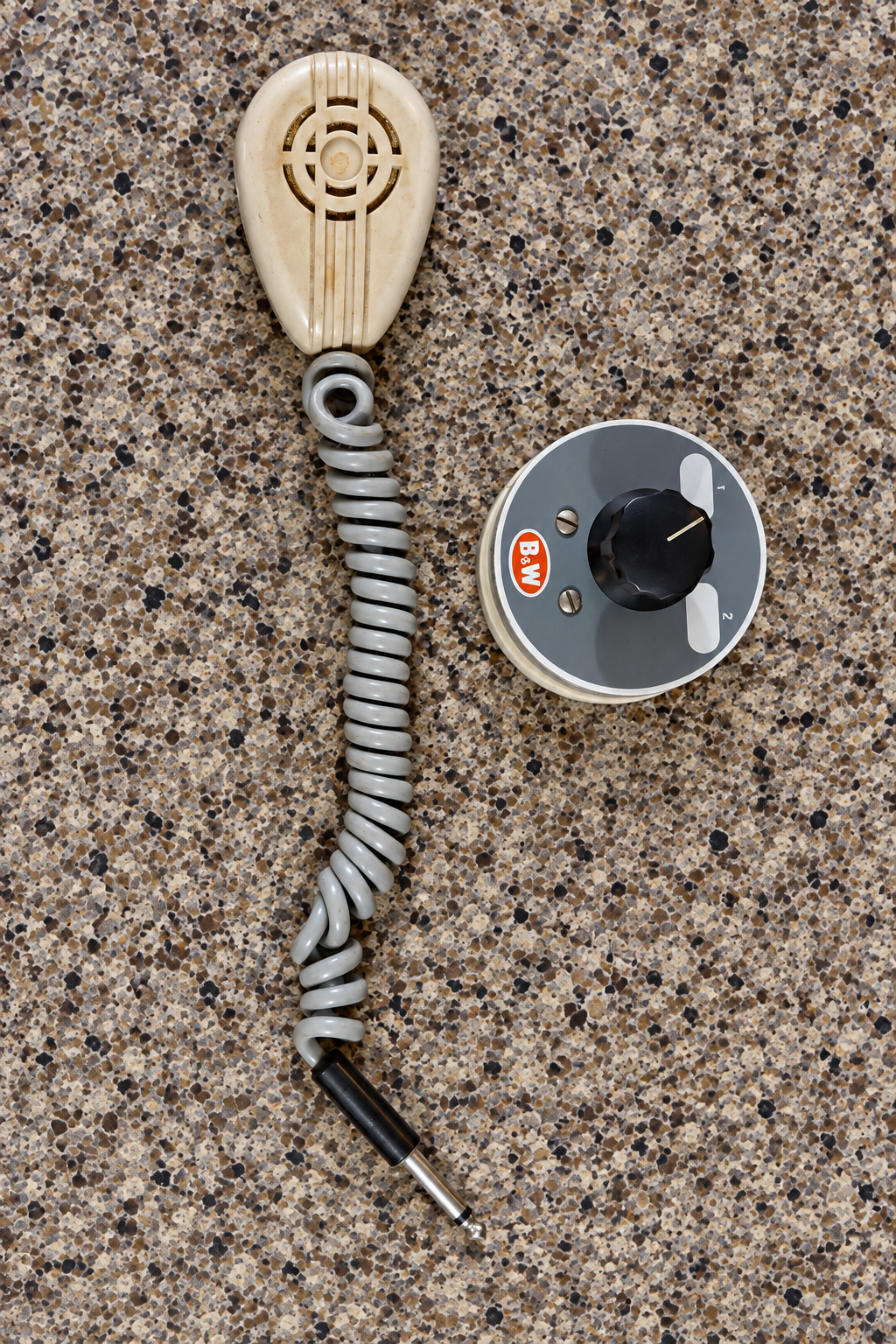
Microphone & Selector Switch
Not every part of a radio station was a large receiver or amplifier. Smaller accessories allowed the operator to speak, select equipment, and control how the station was used.
Vintage Hand Microphone
The hand microphone provided the operator’s voice input for transmitting. Its compact housing, coiled cord, and plug reflect the practical equipment used alongside the larger radio components.
B&W Selector Switch
The round B&W control uses a rotary selector with two marked positions. It was preserved with the radio equipment and appears to have served as an external switching control within the station.
No surviving documentation identifies precisely what the two positions selected.
A Radio Station Preserved in Pieces
Taken together, the equipment preserved at Tahqua-Land Theatre tells the story of a substantial amateur radio setup built from both commercial and custom components.
The collection includes a Drake R-4A receiver, two Drake MS-4 cabinets, an AC-4 power supply, a Heathkit SB-200 linear amplifier, a custom-built control unit, a hand microphone, and a B&W selector switch.
Some parts of the station’s history can still be read directly from the equipment itself: manufacturers, model numbers, serial numbers, controls, connections, and the way the components were designed to work together.
Other parts of the story were never documented or did not survive. The identity of the builder of the custom control unit, the exact purpose of several controls, and the full story of how the station was used are now part of the history that has been lost.